



We live in a digital environment where customers have more choices, and hence more power than ever before. With information readily available at their fingertips, they expect brands to engage with them in ways that feel relevant, timely, and meaningful. To meet these expectations, businesses must rethink traditional modes of interaction and adopt smarter, more adaptive technologies.
Customer engagement is no longer just about responding to queries. It’s about building a relationship that adds value at every touchpoint. When customers feel seen, heard, and understood, they’re far more likely to stick around, refer others, and become loyal advocates for your brand.
More businesses now recognise the impact of strategic engagement in driving customer satisfaction and sustained growth. Engaged customers spend more and amplify your reach by sharing their experiences across networks. That’s why businesses need to centre their engagement strategies around the customer journey and personalise each interaction wherever possible.
Ready to boost retention through more meaningful engagement? Let’s explore five proven strategies that can help turn one-time buyers into lifelong customers.
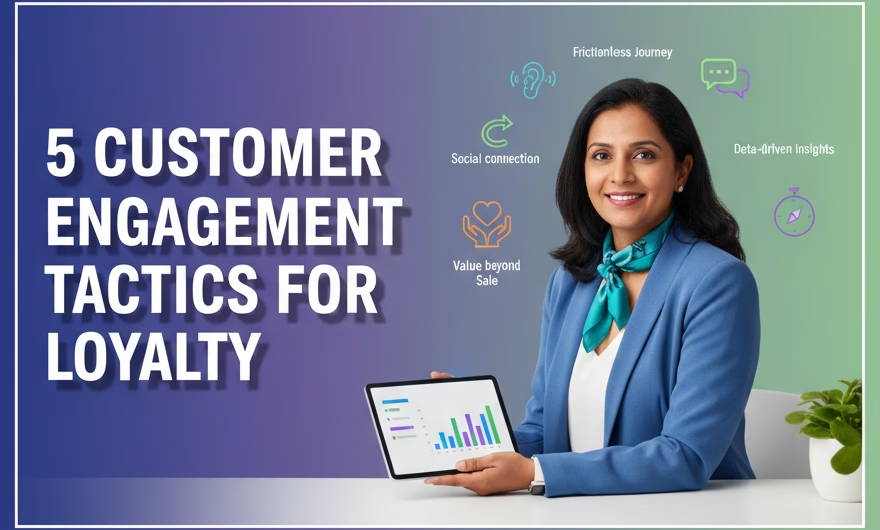
1. Listen First, Then Act
One of the most underrated yet powerful ways to engage with customers is to truly listen and then respond with purpose. Collecting post-interaction feedback or rolling out simple surveys can help businesses unearth insights that matter most to customers.
The real impact, however, lies in acting on that data. Your frontline service teams also hold a wealth of customer knowledge. You need to include their input when shaping customer-focused improvements. Active listening isn’t just about hearing but translating voice into value.
2. Remove the Friction
Since consumers seek ease at every step of their journey, brands that streamline navigation, simplify product discovery, and make the decision-making process seamless often win long-term loyalty. The simpler it is to engage with your brand, the better the experience.
Investing in customer engagement platforms that unify channels and ensure smooth interaction across all touchpoints helps reduce friction and deliver consistency that customers appreciate.
3. Optimise Social for Connection, Not Just Content
Social media is no longer just a channel for announcements. It’s a bridge to real-time dialogue. When used with purpose, it becomes a critical tool for driving visibility, credibility, and engagement.
You can align social platforms to create a web of conversations that all lead back to your brand. Adopting a structured approach can turn social media into your most authentic engagement engine.
4. Build Value Beyond the Sale
Customer engagement doesn’t stop at conversion. In fact, the real magic begins post-purchase. Businesses that go the extra mile are the ones customers remember. Creating value throughout the customer lifecycle encourages brand affinity and repeat interaction.
Even small efforts like thank-you messages or proactive check-ins can make a significant impact on how customers perceive your brand. Consider leveraging SMS campaigns to stay connected and nurture relationships long after the initial purchase.
5. Let Data Tell the Story
In the digital age, your data is your compass. Brands can spot trends and refine experiences by analysing behavioural patterns and user journeys. Real-time analytics tools and intuitive dashboards help uncover what your customers really want and when. The ability to anticipate needs, deliver personalised content, and react quickly makes data transformative. When leveraged well, it can fuel smarter decisions and stronger connections.
Great Engagement Starts with Intent
The tools, channels, and strategies naturally align when a brand genuinely wants to connect, serve, and grow alongside its customers. After all, engagement, at its core, is about building trust over time one meaningful interaction at a time.