+91-808 8919 888

 CX
CX  February 6, 2025
  3 mins read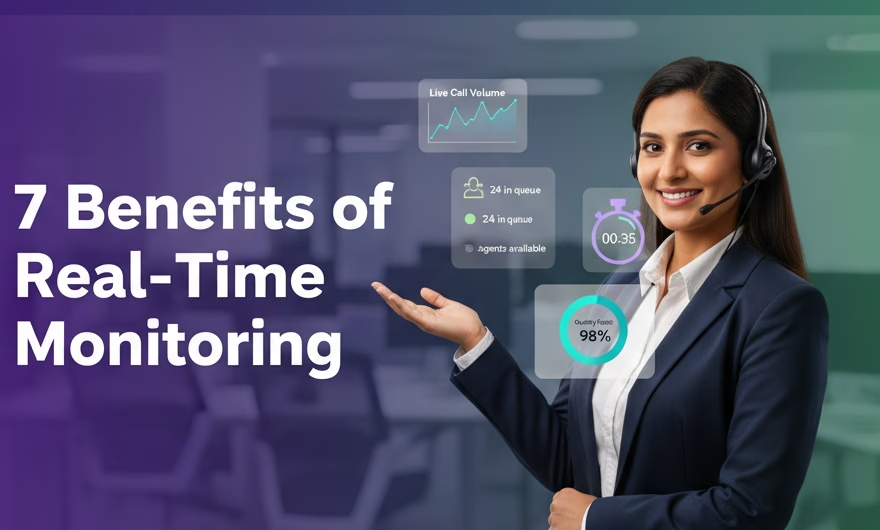






Call centers thrive on efficiency, responsiveness, and customer satisfaction. In such an environment where every interaction matters, having real-time insights can make all the difference. The ease of tracking live conversations, monitoring agent performance, and identifying issues as they arise ensures smoother operations and better decision-making.
Real-time monitoring allows managers to intervene instantly, offer guidance, and maintain service quality without delays. This is different from traditional reporting which provides a retrospective view. The proactive approach improves productivity and strengthens customer relationships by ensuring prompt and effective support.
Here’s a closer look at how real-time monitoring brings immediate benefits to call center operations.
1. Monitoring Call Volume and Quality in Real Time
Real-time monitoring provides supervisors with complete visibility into all ongoing and queued calls. Managers can track the number of calls handled by each agent and ensure workload distribution remains balanced.
Additionally, they can listen to live conversations to evaluate the quality of customer interactions, ensuring responses align with service standards. Managers can intervene immediately if an agent struggles with a complex query, offering guidance or taking over the call to prevent service disruptions.
2. Identifying Training Needs for Better Performance
Not all agents perform at the same level. Real-time monitoring helps pinpoint areas where additional training is required. If a manager notices recurring mistakes or inefficient responses, they can take proactive steps like offering immediate feedback, assigning a mentor, or scheduling targeted training sessions.
This can enhance service quality, accelerate the learning curve, and prevent potential reputational damage caused by poorly handled customer interactions.
3. Tracking Waiting and Idle Time for Efficiency
Long wait times can frustrate customers before a conversation even begins. Real-time monitoring helps managers keep an eye on hold times, ensuring customers are not left waiting unnecessarily. Additionally, tracking idle time reveals if agents are engaged productively or simply delaying responses.
While close monitoring can improve operational efficiency, keep in mind that excessive micromanagement can contribute to high attrition rates in call centers.
4. Managing Call Queues for Faster Resolution
Call volumes can overwhelm available staff at peak hours and lead to longer wait times. With real-time monitoring, managers can identify agents with lower workloads and redistribute calls accordingly.
- Dynamic resource allocation helps businesses reduce bottlenecks
- Optimizes efficiency
- Ensures a smoother experience for customers seeking prompt assistance
5. Assessing Resolution Time to Improve Response Speed
Call center agents are expected to resolve customer issues without compromising on quality. Real-time monitoring allows managers to track the average time taken for issue resolution and identify cases that are consistently prolonged.
Such trend analysis can help call centers refine their processes, adjust training programs, and improve efficiency to enhance customer satisfaction.
6. Ensuring Successful Complaint Resolution
The ultimate goal of a call center is to address customer concerns and resolve them effectively. While technical teams may handle backend solutions, agents act as the primary touchpoint for customers. Real-time monitoring ensures issues are being followed up properly, preventing complaints from slipping through the cracks and strengthening the organization’s reputation for reliability.
7. Intervening Before Issues Escalate
Not all customer interactions go smoothly and may require managerial intervention. With real-time monitoring, supervisors can step in before a problem escalates, whether it’s a dissatisfied customer, an agent struggling with a query, or a miscommunication that needs immediate correction.
Addressing issues in the moment prevents potential brand damage and reassures employees they have the necessary support when handling difficult situations.
Staying Ahead: Proactive Customer Service
Staying ahead means being proactive rather than reactive in the customer-service environment. Real-time monitoring empowers call centers to maintain high service standards, optimize efficiency, and create a seamless experience for agents and customers. After all, delightful customer service is about ensuring every interaction adds value to the customer journey.

A marketing automation enthusiast at Exotel, passionate about building data-driven workflows that power smarter customer engagement. I bridge the gap between marketing and technology turning campaigns into scalable, automated systems that drive real business impact. When I’m not optimizing lead funnels or setting up automation flows, you’ll find me writing about customer experience, martech trends, and the future of communication on the Exotel blog.