Call routing software

Conditional call routing based on what matters

Use intelligent, automated call routing to connect customers with the right agent, team, or workflow based on conditions, such as caller identity, customer history, agent skills, business hours, and call context.

Contact center agent handling a routed call on a headset

25B+Interactions a year, trusted by businesses that rely on every conversation.

What is conditional call routing?

Conditional call routing is a call management capability that directs incoming calls according to predefined rules and real-time conditions. Instead of sending every caller through the same queue or to the next available agent, businesses can define routing logic based on factors, such as who is calling, why they are calling, when they are calling, where they are calling from, and which agents are best equipped to help them. Exotel's call routing engine can use caller information, destination number, incoming channel, IVR inputs, agent skills, business hours, queue conditions, and other configured rules to determine where each call should go.

Why use intelligent call routing?

The right routing logic can make the difference between a customer reaching the right person on the first attempt and being transferred across multiple teams.

Personalise every interaction

Use caller information, customer history, IVR inputs, or CRM data to make routing decisions that reflect the customer's context rather than treating every call the same.

Reduce unnecessary transfers

Send customers directly to the appropriate team or agent instead of making them repeat their issue across multiple transfers.

Keep calls moving outside business hours

Configure different routing rules for working hours, holidays and other time windows, including routing calls to alternate teams or automated workflows when required.

Prioritise important conversations

Use configured rules to give priority to specific customers, queues, or types of interactions and make better use of available agent capacity.

Connect customers with the right agents

Route calls based on agent skills and expertise so specialised queries reach agents equipped to handle them. Exotel's skill-based routing can prioritise agents according to their configured skill levels.

Personalise every interaction

Use caller information, customer history, IVR inputs, or CRM data to make routing decisions that reflect the customer's context rather than treating every call the same.

Reduce unnecessary transfers

Send customers directly to the appropriate team or agent instead of making them repeat their issue across multiple transfers.

Keep calls moving outside business hours

Configure different routing rules for working hours, holidays and other time windows, including routing calls to alternate teams or automated workflows when required.

Prioritise important conversations

Use configured rules to give priority to specific customers, queues, or types of interactions and make better use of available agent capacity.

Connect customers with the right agents

Route calls based on agent skills and expertise so specialised queries reach agents equipped to handle them. Exotel's skill-based routing can prioritise agents according to their configured skill levels.

Personalise every interaction

Use caller information, customer history, IVR inputs, or CRM data to make routing decisions that reflect the customer's context rather than treating every call the same.

Reduce unnecessary transfers

Send customers directly to the appropriate team or agent instead of making them repeat their issue across multiple transfers.

Keep calls moving outside business hours

Configure different routing rules for working hours, holidays and other time windows, including routing calls to alternate teams or automated workflows when required.

How does conditional call routing work?

Conditional call routing evaluates information about an incoming call against the rules configured for your business.

  1. Identify the call

    The system can identify information such as the caller's number, destination number, incoming channel, or IVR input.

  2. Understand the context

    Additional information, such as customer history, agent skills, business hours, queue conditions, or CRM data can be used to determine the appropriate routing path.

  3. Apply routing conditions

    The configured routing logic evaluates the available conditions in sequence and determines which team, agent, queue, or workflow should receive the call.

  4. Connect the customer

    The call is routed to the appropriate destination, helping the customer reach the right resource with fewer unnecessary steps.

Route calls based on the conditions that matter

CRM-informed routing

Use customer information to make more relevant routing decisions, such as prioritising high-value customers or directing an existing customer to the appropriate account team.

Time-based routing

Set different routing rules according to business hours, holidays, or specific time windows to ensure calls continue to follow an appropriate workflow outside regular operating hours.

IVR-based routing

Use customer responses captured through IVR to understand their requirement and route the call to the relevant queue or team. Exotel supports skill-based routing workflows where IVR input can be used to identify the customer's required skill or language.

Caller and destination-based routing

Route calls based on the incoming caller number, the number they dialled, or the incoming channel. Exotel's routing configuration supports policies based on call context, source phone number and destination/DID.

Skill-based routing

Match customers with agents based on skills and proficiency. For example, route a technical issue to a specialised support agent or a customer to an agent who speaks their preferred language.

CRM-informed routing

Use customer information to make more relevant routing decisions, such as prioritising high-value customers or directing an existing customer to the appropriate account team.

Time-based routing

Set different routing rules according to business hours, holidays, or specific time windows to ensure calls continue to follow an appropriate workflow outside regular operating hours.

IVR-based routing

Use customer responses captured through IVR to understand their requirement and route the call to the relevant queue or team. Exotel supports skill-based routing workflows where IVR input can be used to identify the customer's required skill or language.

Caller and destination-based routing

Route calls based on the incoming caller number, the number they dialled, or the incoming channel. Exotel's routing configuration supports policies based on call context, source phone number and destination/DID.

Skill-based routing

Match customers with agents based on skills and proficiency. For example, route a technical issue to a specialised support agent or a customer to an agent who speaks their preferred language.

CRM-informed routing

Use customer information to make more relevant routing decisions, such as prioritising high-value customers or directing an existing customer to the appropriate account team.

Time-based routing

Set different routing rules according to business hours, holidays, or specific time windows to ensure calls continue to follow an appropriate workflow outside regular operating hours.

IVR-based routing

Use customer responses captured through IVR to understand their requirement and route the call to the relevant queue or team. Exotel supports skill-based routing workflows where IVR input can be used to identify the customer's required skill or language.

Make every call count

From intelligent routing to automated workflows, Exotel helps businesses manage customer conversations with the right combination of rules, context and agent expertise.

Talk to an expert

CC Demo

See intelligent routing in action

JSW MG Motor India Supercharges Service
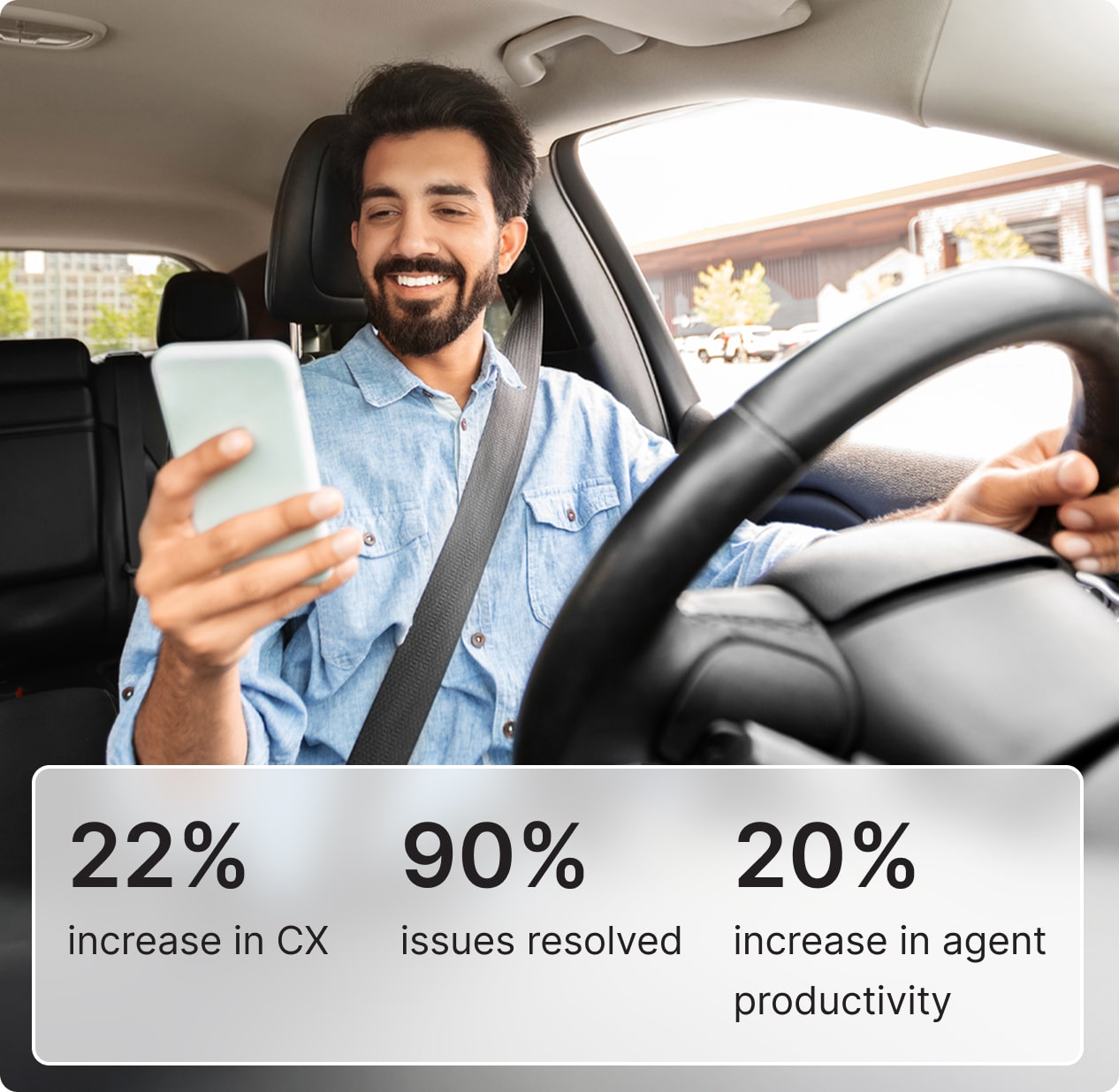
At JSW MG Motor India, our commitment to delivering exceptional customer experiences drives every decision we make. When we identified the need to streamline our customer communications, we sought a partner who shared our vision for service excellence. Through our collaboration with Exotel, we've transformed our customer service operations. The centralized system has empowered our 400+ agents to deliver consistent, high-quality service across all touchpoints. We're proud to see a 22% increase in customer satisfaction. The unique virtual numbers for each dealership have reinforced our brand identity while eliminating customer confusion. This transformation has strengthened JSW MG Motor's position as a customer-centric automotive brand, enabling us to focus on what we do best - delivering exceptional experiences to our customers.

Kapil Bajaj

Head - Digital Transformation and Analytics

JSW MG Motor India Pvt Ltd

View Case Studies

More features to improve your call center

Automatic Call Distributor

Distribute inbound calls intelligently across agents, queues and workflows based on configured routing strategies.

IVR

Let customers provide inputs through interactive voice menus and use that information to guide their call journey.

Queue Management

Manage incoming calls through prioritised queues and optimise how interactions are distributed across teams.

Agent Monitoring

Track agent activity and call distribution to understand performance and resource utilisation.

Connect routing with your existing business systems

Integrate your call workflows with your CRM, helpdesk, and other business applications to bring customer context into the conversation and build more intelligent routing workflows.


Frequently asked questions

What is call routing software?

Call routing software automatically directs incoming calls to the appropriate agent, team, queue, or workflow according to configured rules and conditions. These conditions can include caller information, agent skills, business hours, IVR input, customer history, and call context.

What is call center call routing software?

Call center call routing software is designed to manage high volumes of inbound interactions and distribute them intelligently across agents and teams. It can use factors, such as skills, availability, queues, customer information, and routing priorities to determine where calls should go.

What is AI call routing?

AI call routing uses artificial intelligence and customer/conversation data to make more intelligent routing decisions. Depending on the implementation, AI can help identify customer intent or context and use that information to determine the appropriate agent or workflow.

What is automated intelligent call routing?

Automated intelligent call routing uses predefined business rules, customer context and routing conditions to automatically determine where an incoming call should go. This reduces the need for manual intervention and can help customers reach the right resource faster.

How does automatic call routing work?

Automatic call routing evaluates information associated with an incoming call against configured routing rules. Depending on the setup, the call may then be routed to an agent, queue, team, IVR flow, or another configured destination.

Can calls be routed based on agent skills?

Skill-based routing can match incoming calls with agents based on their configured skills and proficiency levels. Exotel supports skill-based routing for scenarios, such as language and product expertise.

Can I route calls based on business hours?

Businesses can configure different routing rules for different time periods, allowing calls outside regular working hours to follow an alternate route or workflow.

Can call routing use customer information?

Call routing can use information, such as caller identity, customer history, and CRM data to make routing decisions. Exotel's ACD capabilities support CRM-informed routing alongside other routing conditions.

What is the difference between call routing and call forwarding?

Call forwarding generally redirects a call from one number to another destination. Call routing is broader as it uses rules and conditions to determine the most appropriate destination for an incoming call, which may be an agent, queue, team, IVR flow, or another workflow.